

ISAVE - Improving Sepsis Diagnosis in Vulnerable Populations in Two Ethiopian University Hospitals
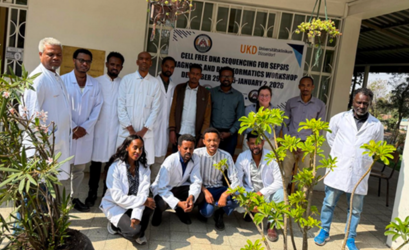
Sepsis is a life-threatening complication of severe infections and is often diagnosed too late in resource-limited health care systems. The ISAVE project (“Improving Sepsis Diagnosis in Vulnerable Populations in Two Ethiopian University Hospitals”) is a joint initiative of the University Hospital Düsseldorf, GHIDA, the Asella Referral and Teaching Hospital, and the Jimma University Medical Center. Approved in June 2025, the project has been in the operational implementation phase since March 2026, following an initial setup phase. The project’s goal is to sustainably improve the diagnosis and treatment of sepsis in particularly vulnerable patient groups, especially children under five years of age and people with advanced HIV disease.
A central component of the project is the introduction of innovative nanopore-based next-generation sequencing (NGS) for the rapid and comprehensive identification of pathogens directly from blood samples. This modern diagnostic method is intended to improve the timely detection of pathogens and enable targeted antimicrobial therapy.
At the same time, infection prevention and control (IPC) measures are being implemented, particularly in neonatal intensive care units. These include training for medical staff, strengthening hygiene standards, and improving access to hand sanitizers. In addition, antibiotic stewardship structures are being established to promote the rational use of antibiotics and counteract the development of antimicrobial resistance.
By building local expertise, conducting joint training initiatives, and fostering continuous scientific exchange between Ethiopian and German partners, ISAVE is creating sustainable capacity for improved sepsis care and serving as a model for innovative diagnostic strategies in resource-limited health systems.