

STAIRS - Sub-Saharan African Consortium for the Advancement of Innovative Research and Care in Sepsis
Sepsis is a life-threatening organ dysfunction resulting from a dysregulated immune response to an infection and is one of the most common preventable causes of death worldwide. Sub-Saharan Africa, in particular, is affected by a high burden of sepsis, which is exacerbated by limited diagnostic capabilities, scarce resources, and the growing challenge of antimicrobial resistance.
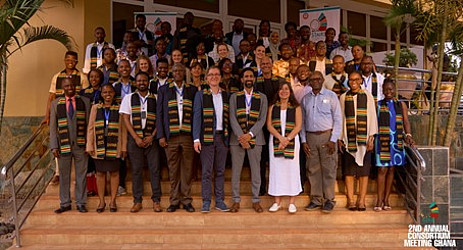
The STAIRS project, funded by the German Federal Ministry of Research, Technology, and Space (BMFTR), was launched to address key knowledge gaps in sepsis care and to build sustainable research capacity in Sub-Saharan Africa. The consortium comprises eight African partner institutions, including GHIDA, as well as two German partner institutions.
The main objectives of STAIRS are:
Improving understanding of the epidemiology, diagnosis, and quality of care for sepsis
Building sustainable clinical and scientific capacity
Developing and evaluating innovative approaches to improve sepsis care
Translating scientific findings into health policy strategies
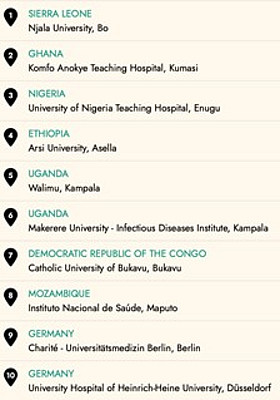
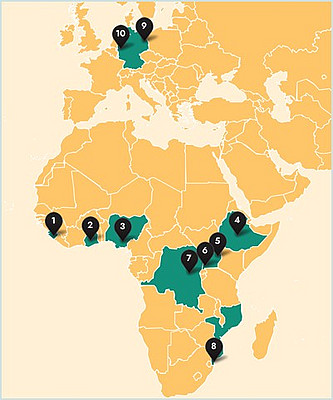
As part of the project, a multinational sepsis cohort is being established, innovative diagnostic methods are being evaluated, and digital solutions are being developed to improve clinical decision-making processes. In addition, STAIRS supports early-career researchers, strengthens local research capacities, and establishes an African network for sepsis research and care.
A particular focus is on developing context-specific strategies that address the local challenges facing health care systems. Through close collaboration between research institutions, clinical partners, and policymakers, STAIRS makes an important contribution to improving sepsis prevention, diagnosis, and treatment in sub-Saharan Africa.