



A. Translational Basic Research - Extracellular matrix, metabolism and inflammation
Influence of drugs and macronutrients on the extracellular matrix of tumor cells
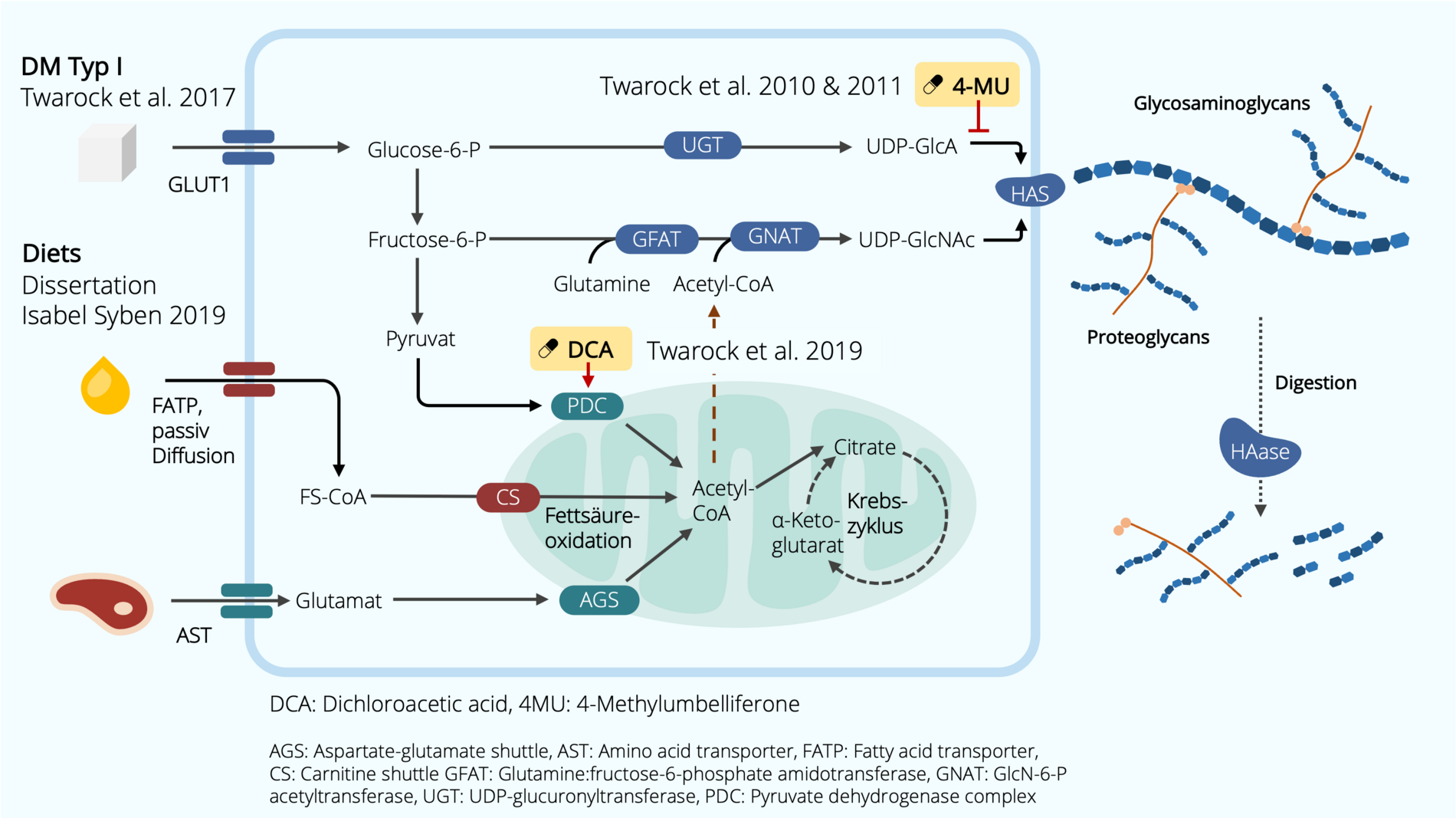
Our research on the analysis and modulation of the extracellular matrix has led to a series of publications in international journals (Figure 1). The influence of systemic and cellular metabolic factors (Figure 1, left), such as certain diets in vitro and in vivo (mouse model), on cellular metabolism (Figure 1, centre) and the synthesis of extracellular carbohydrate-containing matrix components such as hyaluronic acid (Figure 1, right) continues to be part of our research activities.
In a current project (medical dissertation by I. Syben), we recently identified an interesting connection between the fat metabolism of tumour cells and carbohydrate-based matrix synthesis and collected further data that will serve as the basis for a DFG funding application. In addition, a bioinformatics-based glycomics approach for the detection of non-proteinogenic changes in the extracellular matrix is planned.
Pharmacological target structures in the bone marrow niche
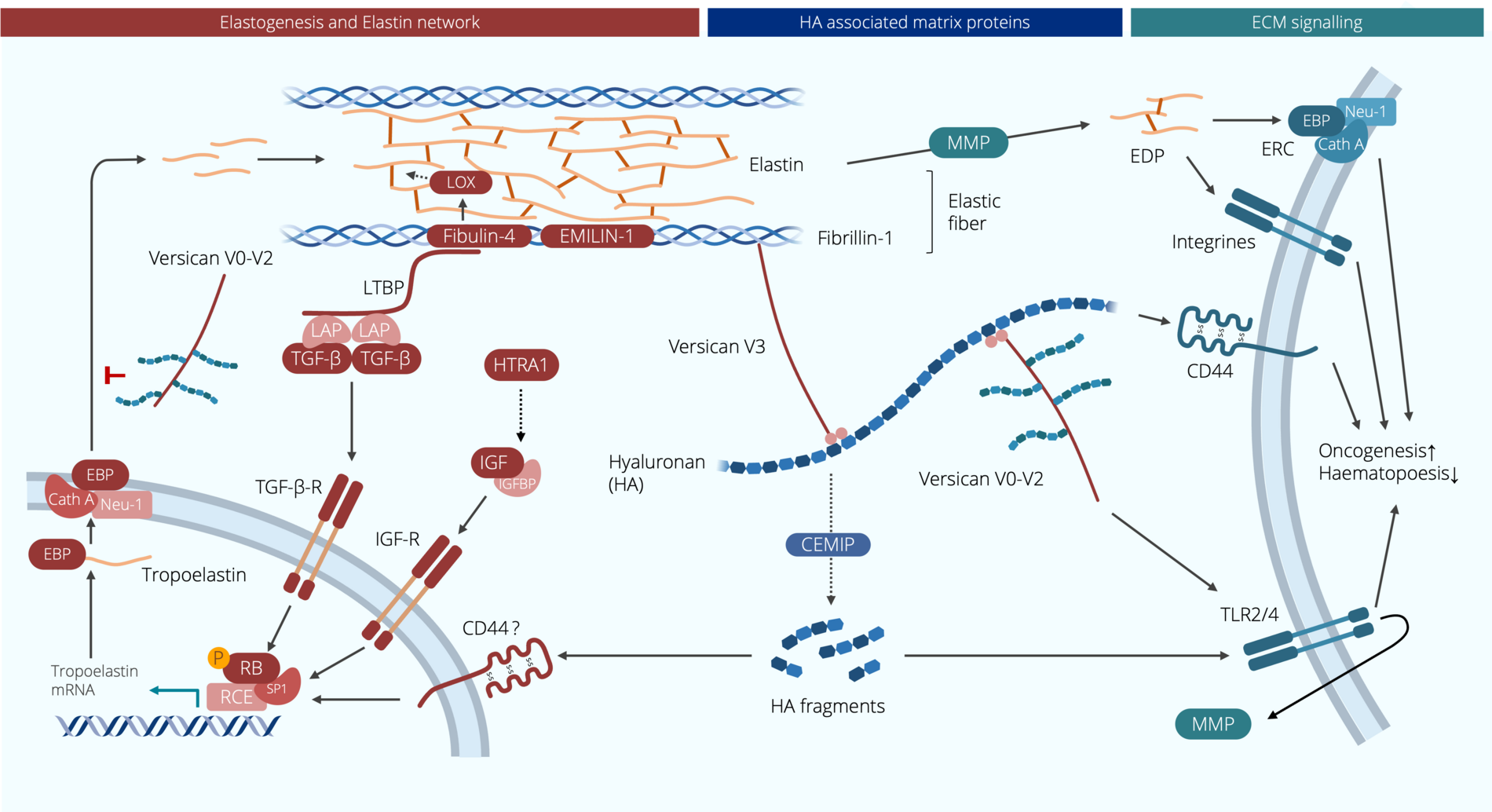
In this project, we collaborated with the research laboratory of the Department of Haematology, Oncology and Clinical Immunology to establish a proteomics approach for characterising the matrisome of primary stem and stromal cells from control and AML patients. This approach has already identified interesting, previously unknown changes in proteins involved in the formation of the elastin (Figure 2 in red) and hyaluronic acid networks (Figure 2 in blue).
Mechanisms of adverse drug reactions of fluoroquinolones on tendons and nerves
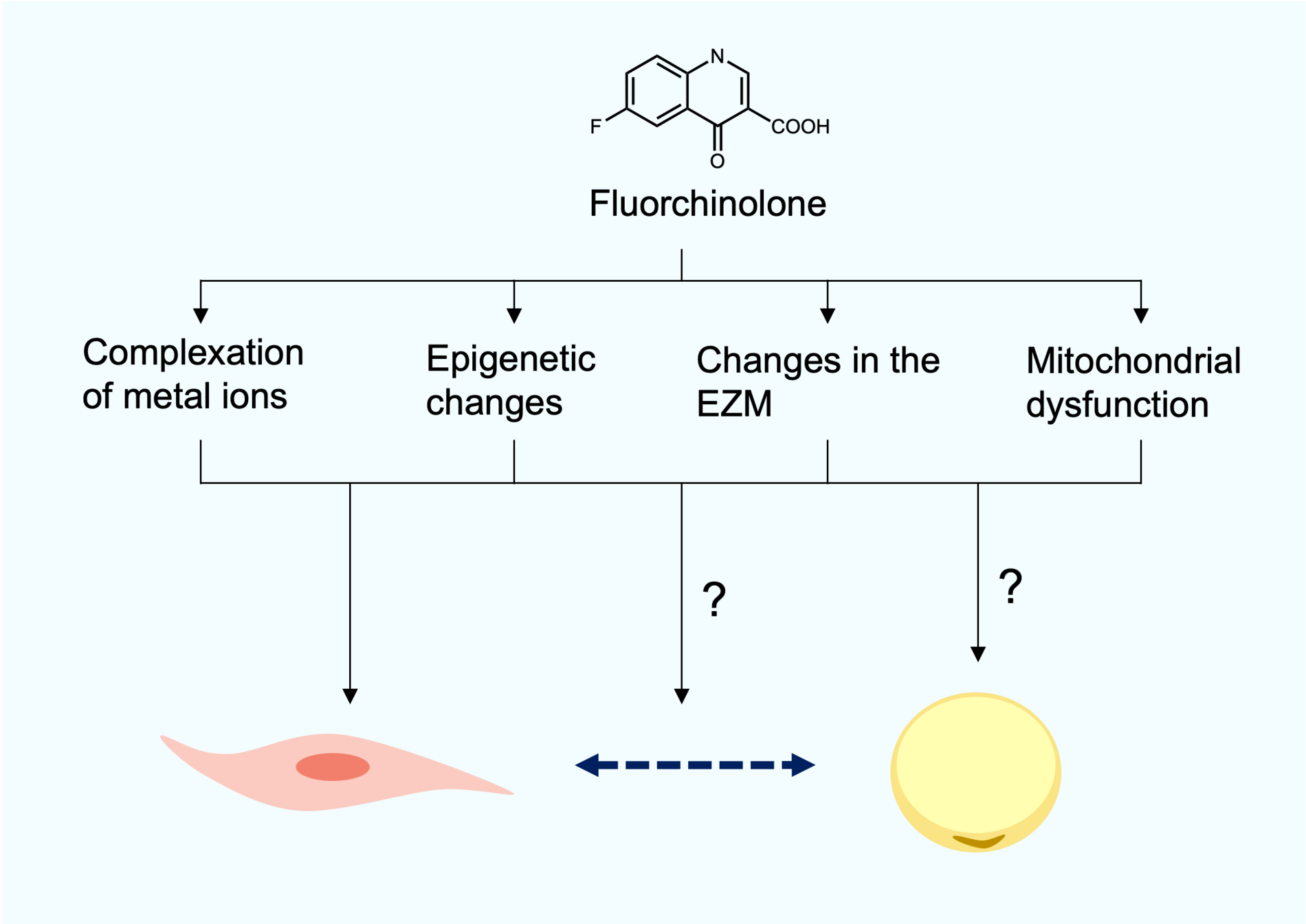
In cooperation with the Institute of Anatomy I (Prof. T. Filler), we are currently conducting a project investigating the effects of fluoroquinolones on tendinous and neuronal structures with the aim of developing strategies for predicting, preventing or treating serious side effects of this important class of antibiotics. The analyses focus in particular on the interaction of these target structures with the extracellular matrix and the surrounding fatty tissue (Figure 3). To this end, we plan to establish in vitro models, use human samples and employ a suitable animal model. Based on data from current test series, a project funding application will be submitted to the German Research Foundation in the near future.
B. Individualized Drug Therapy - Therapeutic drug monitoring and PK/PD analysis
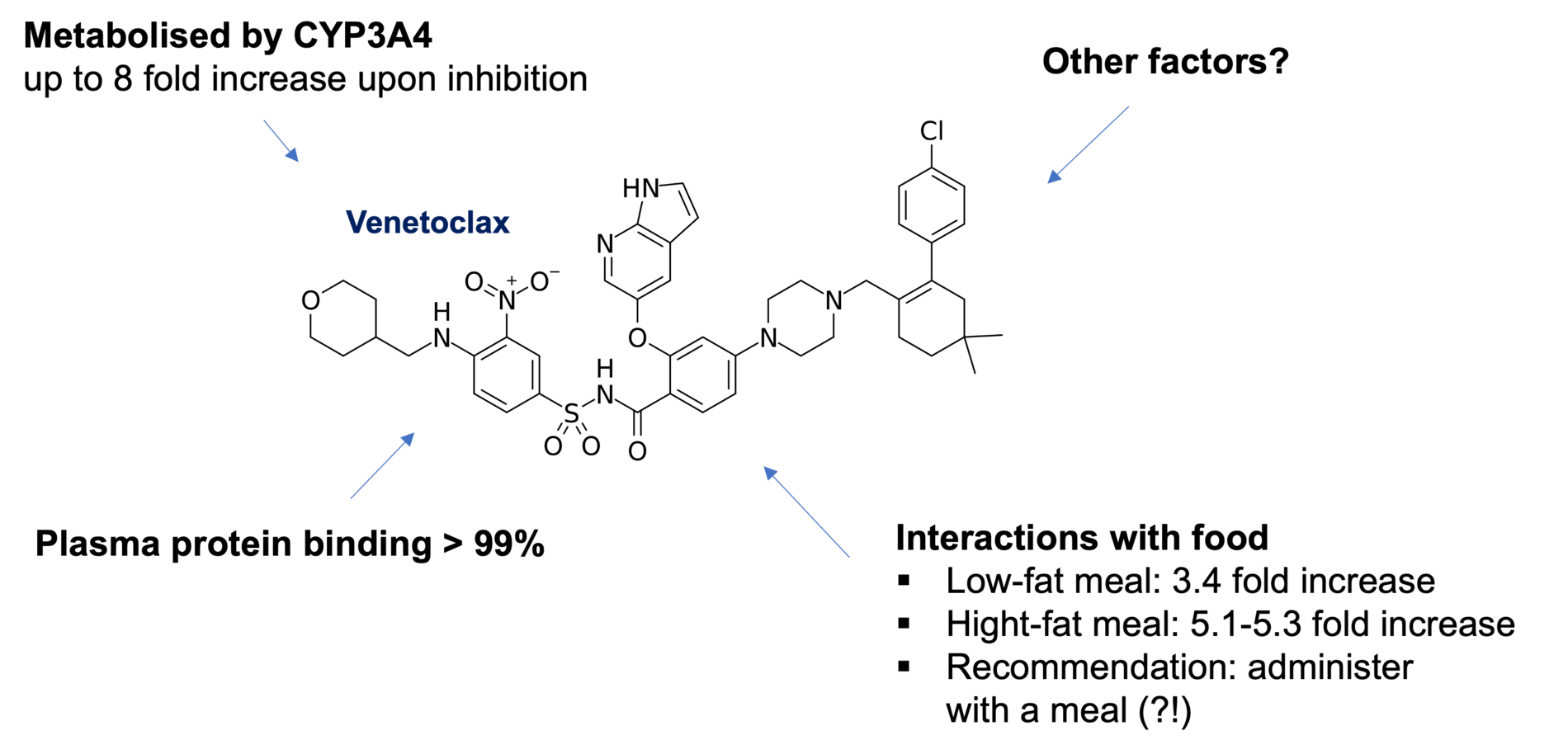
Venetoclax TDM to optimize the timing of subsequent bone marrow transplantation
C. Research on Drug Utilization and Pharmacotherapy Implementation - Optimization of pharmacotherapy
Systematic reviews about problems arising from not intelligable drug information
in cooperation with the Cochrane Group Düsseldorf (Juan Franco)
- Factors that facilitate and hinder the comprehension of patientinformation leaflets
- Non-prescription (though indicated), Non-adherence (due to fear of side effects), nocebo effects
- Solutions, including optimized package inserts, videos, digital aids