



Life and Geopolitics in Asella, Ethiopia

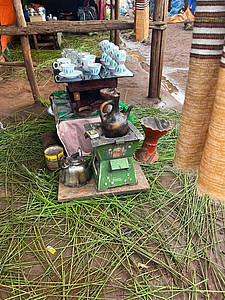
Life in Asella is influenced by its tranquil highland environment and the strong academic presence of Arsi University. For visiting coordinators and German medical students engaged in internships or doctoral research, the university provides two dedicated houses offering comfortable accommodation. The town experiences a main rainy season from June to October and a predominantly dry season from November to May. At an elevation exceeding 2,400 meters above sea level, Asella enjoys mild daytime temperatures and cool evenings. Daily life is generally stable and welcoming, and the town is currently regarded as safe for academic and clinical stays, supported by established local structures and close collaboration between the university and local health institutions.
Ethiopia's capital city, Addis Ababa, is known to be East Africa’s central diplomatic hub and home to numerous embassies, NGOs, and Bole International Airport. Located approximately 3.5 hours by car southeast of Addis Ababa, Asella lies in the Arsi Zone of the Oromia Region State. Asella is widely recognized for its running tradition, home to world-renowned athletes such as Derartu Tullu, Tiruneshi Debaba, Haile Gebrselassie, Kenenisa Bekele, and others. Arsi University, founded in 2014, has since grown into a key regional institution with strong academic programs in medicine and agriculture.
Ethiopia’s political landscape remains complex, shaped by internal tensions, regional disparities, and ongoing reform processes. While significant progress has been made in the health sector, these factors occasionally result in logistical and infrastructural challenges for healthcare delivery and public health response. The country continues to face major health challenges, including endemic diseases such as malaria, tuberculosis, and HIV/AIDS, as well as unexpected outbreaks such as recent measles clusters, cholera, and the country’s first confirmed cases of Marburg virus disease. Non-communicable diseases, including chronic liver disease, cancer, and diabetes mellitus, are also becoming more prevalent. These circumstances highlight persistent obstacles, including limited diagnostic capacity, delayed case detection, and resource constraints, underscoring the need for strengthened surveillance and preparedness systems. Despite these challenges, coordinated engagement among local institutions, national authorities, and international partners is essential to improve outbreak readiness, ensure timely responses, and enhance the long-term resilience of the healthcare system.