



EpiGen Ethiopia: Building Scalable Genomic Epidemiology of Pathogens in Ethiopia
The growing number of epidemics worldwide poses ever-greater challenges to public health, particularly in low- and middle-income countries. This makes the timely collection of genetic data on pathogens all the more important for the early detection and targeted surveillance of outbreaks, as well as for the implementation of effective measures.
The EpiGen Ethiopia project (Website: https://epigenethiopia.org), funded by the European Union's EDCTP program, aims to significantly improve the diagnosis and surveillance of outbreaks in Ethiopia using next-generation sequencing (NGS). The goal is to enable a rapid and informed response to infectious diseases using modern molecular methods.


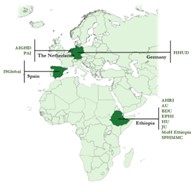
With the participation of three EU partner countries and eight Ethiopian partner institutions, including GHIDA and the Ethiopian Public Health Institute (EPHI), the project pursues the following main objectives:
- Building laboratory and sequencing capacities at the participating institutions
- Conducting real-time genome sequencing during outbreaks
- Developing digital tools for rapid data analysis, visualization, and sharing
- Training medical and scientific personnel
- Collaborating with local health authorities to implement targeted measures
- Conducting research on pathogen evolution, resistance, and transmission routes
- Developing guidelines for the use of genomic data in the context of public health
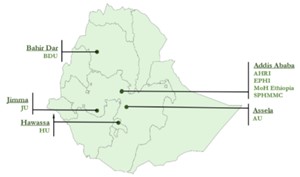
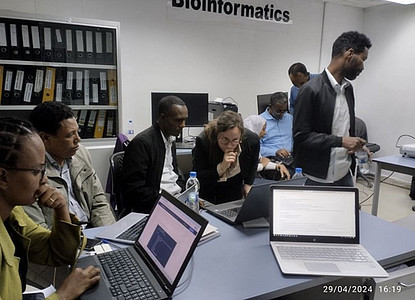
Early successes demonstrate the potential of this infrastructure: During a measles outbreak in Asella in 2024, genomic data was collected and analyzed for the first time. Further studies are focusing, among other things, on HIV-related issues and antimicrobial resistance.
EpiGen Ethiopia is thus strengthening the foundations for modern, data-driven infectious disease surveillance and making an important contribution to preparedness for future epidemics in Ethiopia and sub-Saharan Africa.
Measles Projects: MiniMeV Ethiopia
MiniMev Ethiopia (Minimal-Infrastructure Nanopore-based Investigation of Measles Virus)
Measles continues to pose a significant challenge in Ethiopia, as recurring outbreaks particularly affect vulnerable population groups. GHIDA supports national outbreak control through the molecular characterization of measles viruses via sequencing.
The genomic data obtained enable the analysis of transmission routes, the identification of circulating viral lineages, and the improvement of epidemiological surveillance. This allows for more targeted support of vaccination strategies and outbreak control measures.